
Why Simple Domain Names Get More Funding Than Complex Brands
Why founders with clear domain names are getting funded while complex brands get ignored

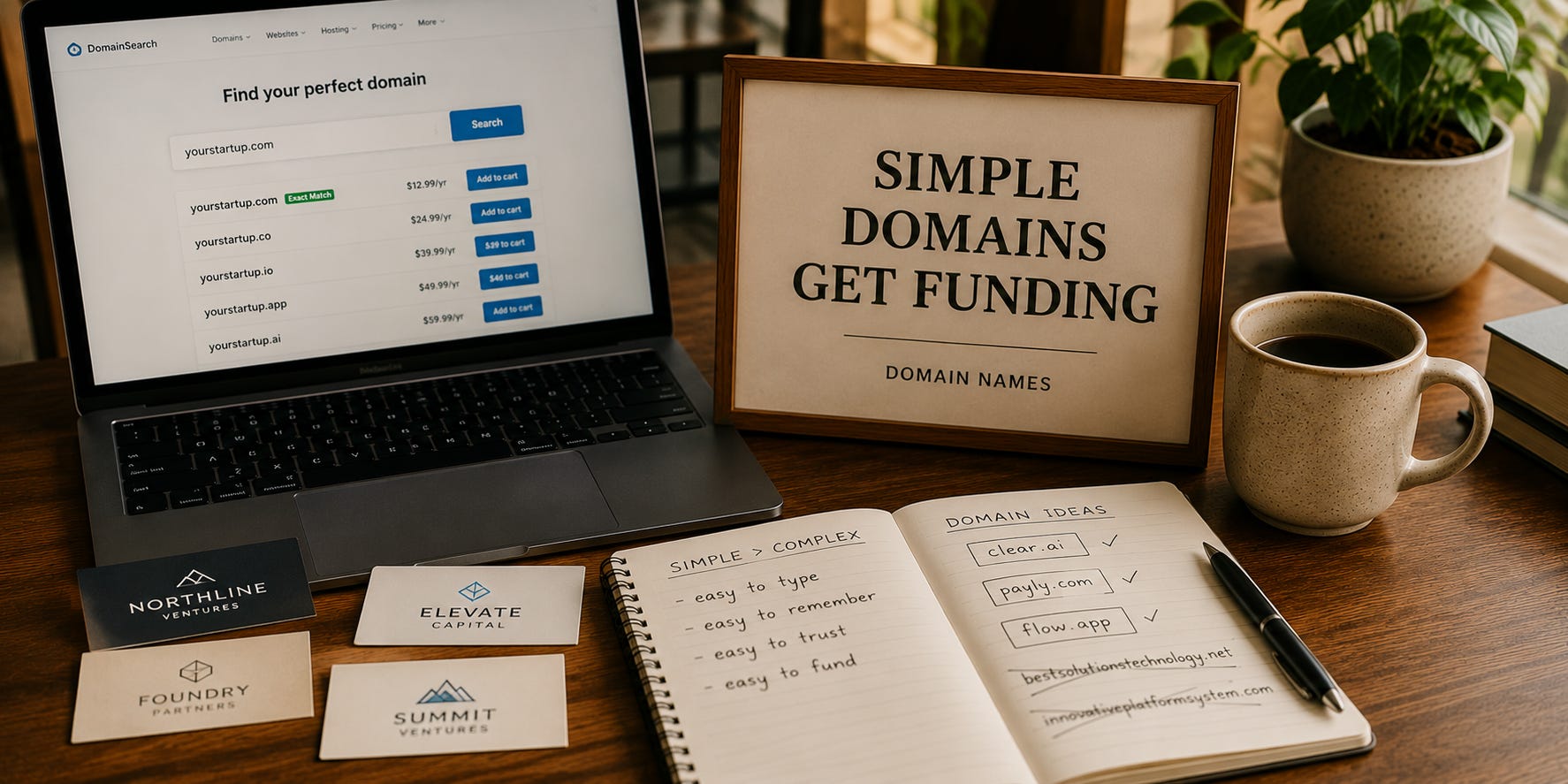
I spent Tuesday morning watching founders pitch their AI tools to investors. Three presentations stood out. Not because of their tech or market size, but because of their domain names.
The first founder had to explain what “Zephyr” meant. The second spent two slides defining “NeuralSync.” The third simply said something like “invoicegenerator.app” and moved straight to the demo.
The Clarity Advantage That Actually Matters
Two-word keyword-rich domains have become the secret weapon for digital products in 2026. They do something most founders miss: they communicate purpose before anyone clicks anything.
When someone sees productresearch.dev or carvaluation.app, they don’t need an explanation. The domain itself carries the message. That clarity transforms into trust faster than any brand story or marketing copy.
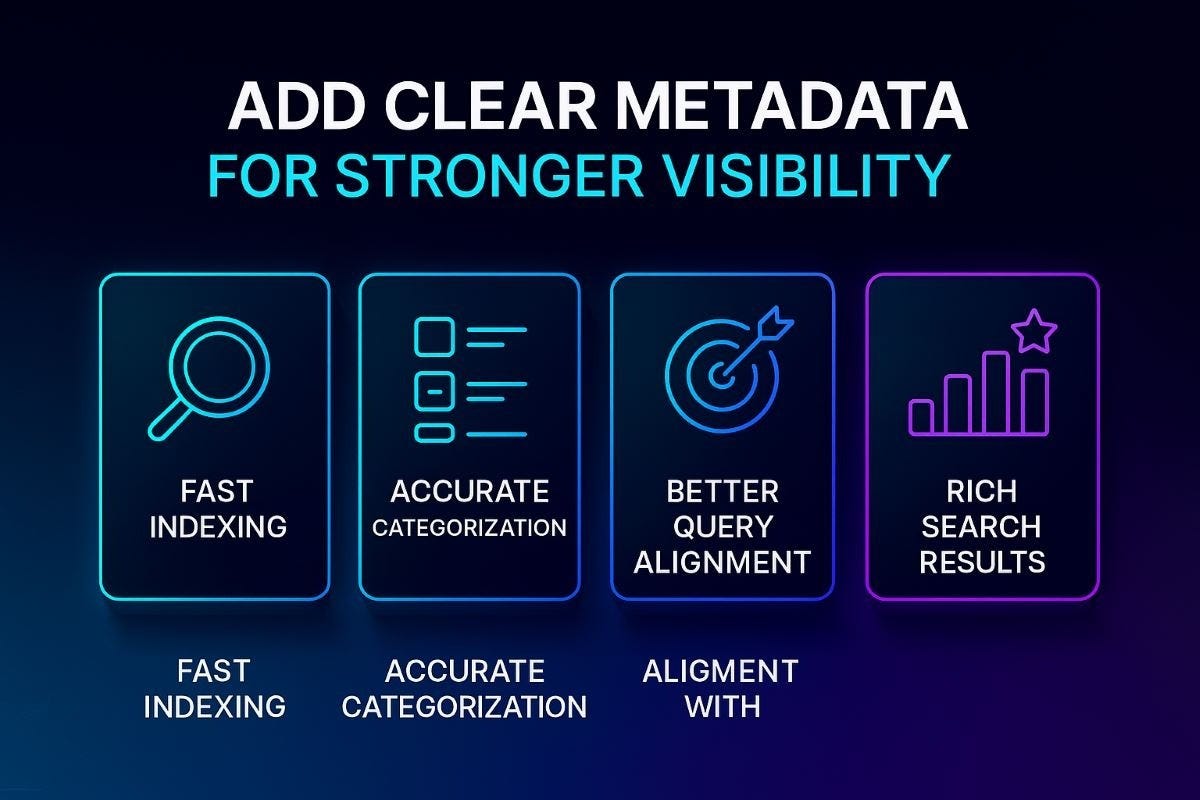
Search engines respond to the same signals. Your domain aligns with user intent. Your indexing gets cleaner. Your discovery improves without heavy branding budgets or complex messaging frameworks.
In a world where users make decisions in seconds, two-word keyword domains remove uncertainty. They make your brand feel immediately credible.
What Makes Users Trust Before They Click
A two-word keyword-rich domain is built from two terms that directly describe your product’s function. This format provides clarity before the landing page even loads.
Consider taxestimator.app versus Zenith or FlexCore Solutions. The keyword domain tells visitors exactly what they’ll find. No guessing. No vague associations. No confusing brand names that need paragraphs of explanation.
This structure works especially well for:
AI agents and automation tools
Calculators and converters
SaaS workflows and micro-apps
Scanners and analyzers
People are busy. Users appreciate domains that give them immediate confidence they’re in the right place. Developers benefit because the domain becomes part of the product’s identity. It’s simple, meaningful, and easy to remember.
When you start with a domain that already includes your function, your design, visual identity, and content strategy fall into place faster.
The Data Behind User Preferences
Users react strongly to naming clarity. Verisign’s global research shows that 70 percent of users prefer domain names that clearly describe the service or product they’re searching for.
That preference influences everything:
User trust increases before they read any content
Engagement rates improve because expectations align
Conversion rates rise due to reduced hesitation
Bounce rates drop when visitors find what they expected
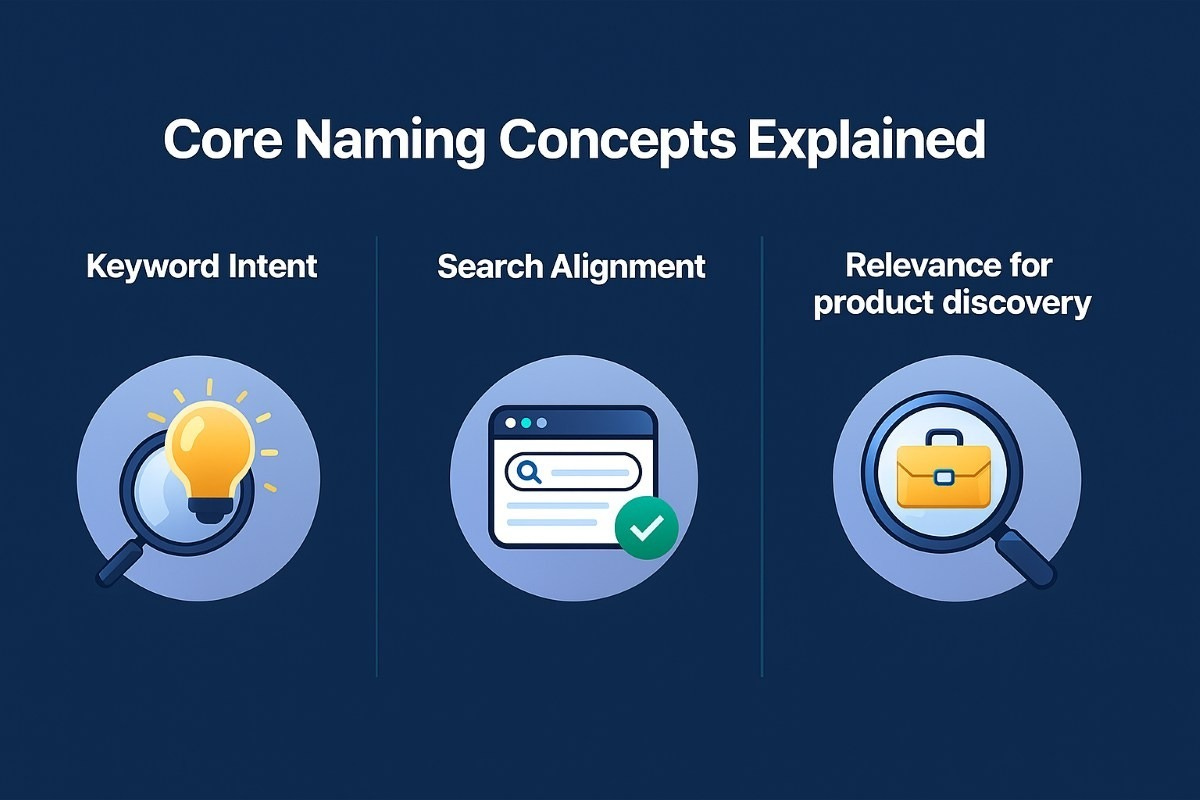
Buyers and investors react similarly. When evaluating a project, the domain name becomes a signal of seriousness. A clean keyword-rich domain shows direction, clarity, and market understanding.
It suggests the founders know their audience and aren’t trying to hide behind abstract branding. In early-stage evaluation, this immediate clarity can influence whether someone explores the project further.
Keyword domains can improve click-through rates by up to 45 percent when keywords match search intent. That’s not just about SEO. It’s about human psychology and trust.
According to VeriSign’s Q1 2026 report, global domain registrations reached approximately 368.4 million across all top-level domains.
Why Product Teams Choose Two-Word Formats
Product teams building AI workflows, automation tools, and micro-applications prefer two-word domains for three main reasons.
1. They Support Niche Targeting
If your tool solves a specific problem, your domain should reflect that problem clearly. Two-word combinations give teams room to express functionality without clutter.
A domain like incometracker.app speaks directly to a specific user group. That precision helps with SEO campaigns, ads, user onboarding, and A/B testing because you’re working with focused intent.
2. They Reduce Marketing Complexity
When your domain explains your product, your marketing messages stay consistent across channels. You don’t need to educate people about what your brand name means. You can focus on how well your product works.
This alignment saves time and budget. It also makes your brand more memorable because the name reinforces the function every time someone sees it.
3. They Improve Technical SEO
Search engines understand keyword-rich domains better than abstract names. When someone searches for “invoice generator,” having invoicegenerator.app gives you a natural advantage.
Your domain strategy connects directly to how search engines categorize and rank your content. Two-word keyword domains align with user search patterns, which improves your technical foundation.
Strategic Use Cases That Work
The most successful two-word keyword domains follow specific patterns. They combine a noun with an action word, or two nouns that create a clear service description.
Examples that work well:
taskmanager.io (noun + noun)
passwordgenerator.dev (noun + action)
budgetanalysis.app (noun + function)
imagecompressor.co (noun + action)
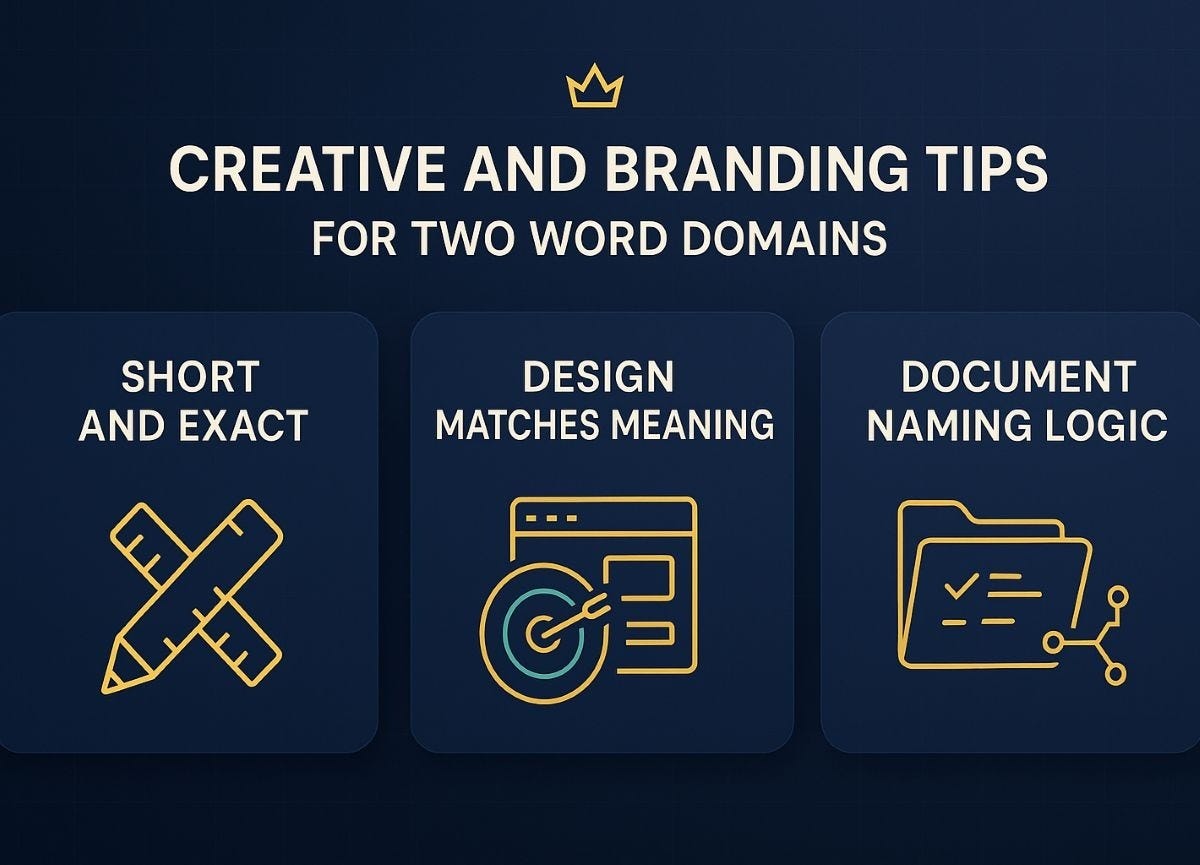
These formats work because they match how people actually search for solutions. They type “password generator” or “budget calculator” into search engines. When your domain matches their search terms, you create immediate relevance.
The key is choosing words that your target users actually use. Don’t pick technical jargon or industry terms that only experts understand. Pick the words your customers type when they need your solution.
Building AI Businesses on Keyword Foundations
At VisionVix, we’ve seen this pattern repeatedly. Teams that start with clear, keyword-rich domains build stronger businesses faster than those with abstract names.
Our AI solutions focus on this kind of strategic clarity from day one. When your domain communicates purpose, everything else becomes easier to build and scale.
The domain becomes your foundation. Your brand grows from that foundation. Your marketing reinforces it. Your product development stays focused on it.
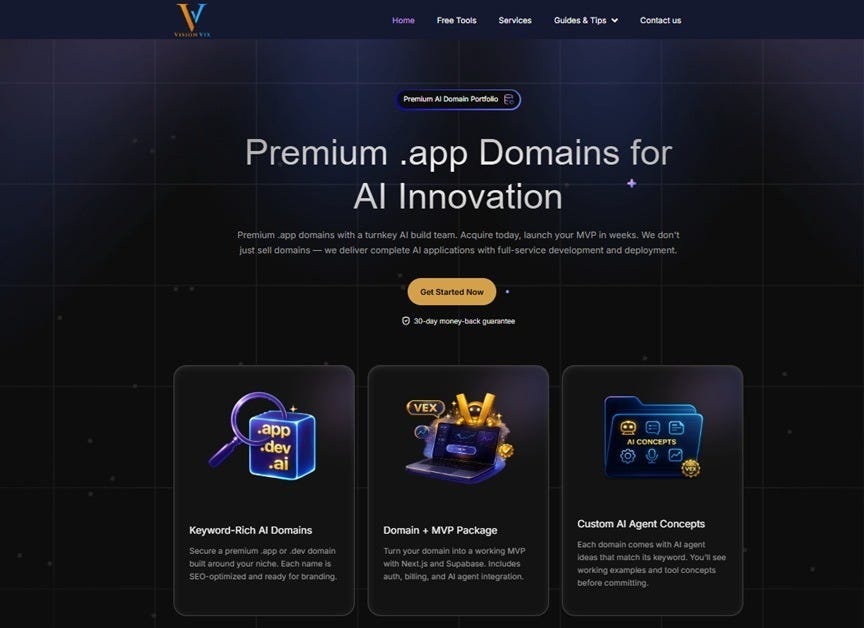
This approach works especially well for AI tools because people are still learning what AI can do for them. A domain like aiwritingassistant.co immediately communicates value. People understand what they’ll get before they click.
Two-word keyword domains don’t just improve SEO. They improve human understanding, which drives every other metric that matters.
The Future of Domain Strategy
The trend toward keyword-rich domains isn’t slowing down. As more products launch every day, users need faster ways to identify relevant solutions.
Abstract brand names worked when there were fewer options. Now, clarity wins. Users want to know what they’re clicking on before they invest time learning about it.
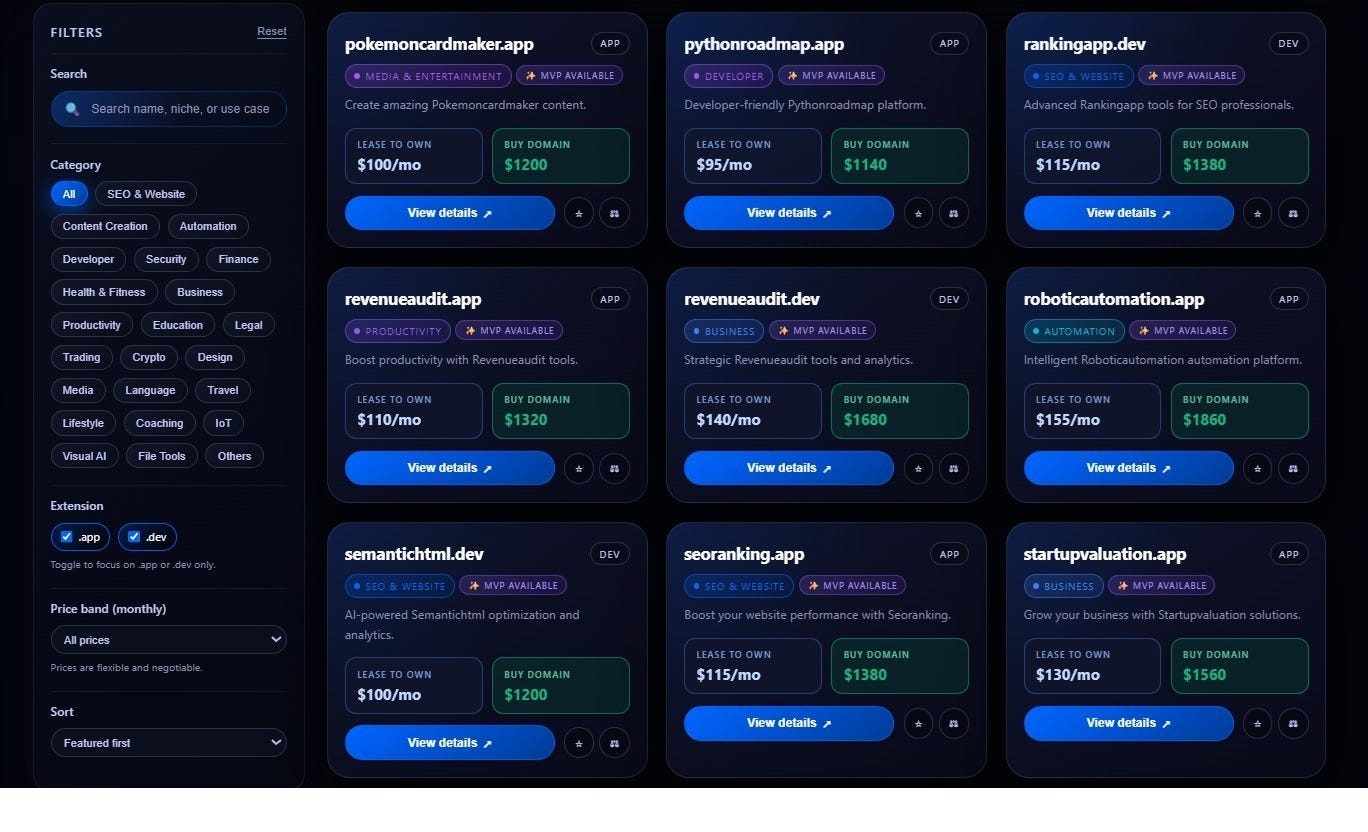
Smart founders recognize this shift. They choose domains that work as marketing assets from day one. They build products that people can find, understand, and trust immediately.
• brandidentity.app — Clear branding-focused domain that instantly communicates trust and recognition.
• productresearch.app — Strong keyword-rich domain for product discovery, ecommerce insights, and market analysis.
• conversationtracker.app — Professional SaaS domain for communication analytics and customer engagement tools.
• dataintelligence.app — Memorable AI-focused domain for analytics, reporting, and business intelligence platforms.
• aidomainevaluation.app — Strategic domain for AI-powered domain analysis, valuation, and branding research.
The domain you choose today shapes every interaction your users have with your product. Make it count.
What domain strategy has worked best for your product? Have you noticed differences in user behavior with keyword-rich versus abstract domains?